
What we are up to…
From Sand Pavilions to Study Rooms: Adriano Tenore Designs a VR Gallery for Empirical Aesthetics
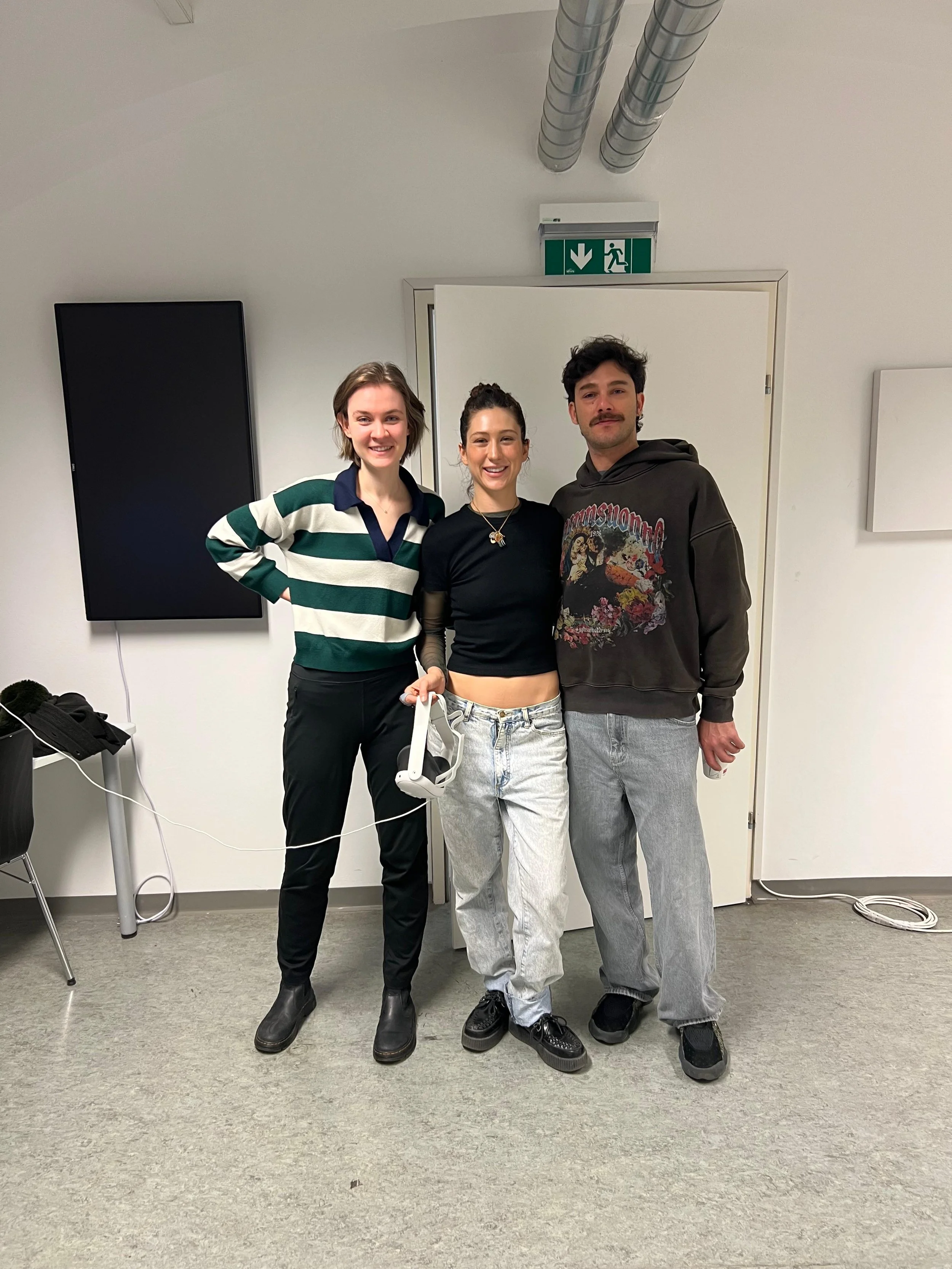
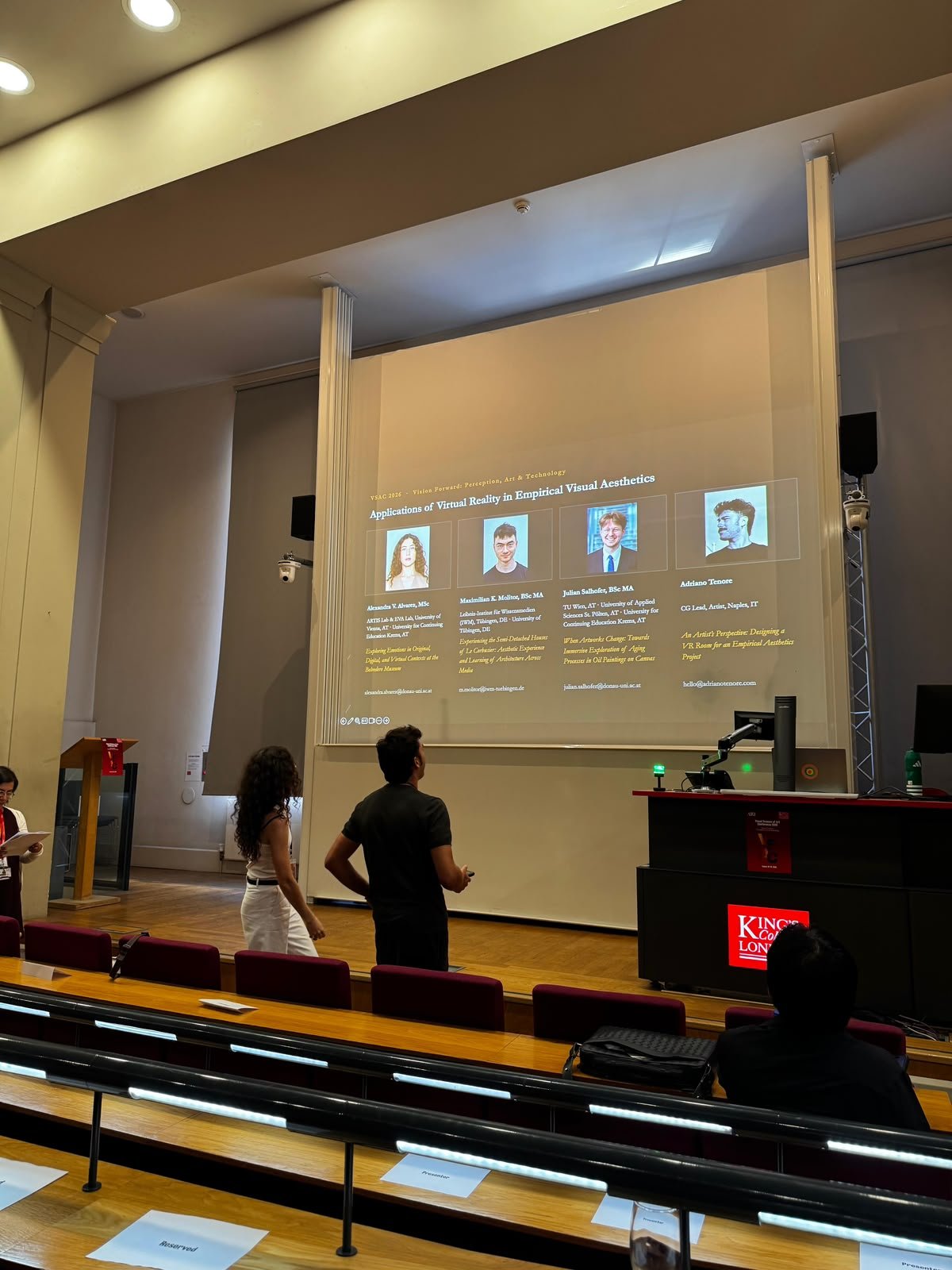
Alvarez and Miller received an American Psychological Association Division 10 grant to build a VR room extending their lab's research on how people experience original artworks versus digital reproductions, this time testing an immersive VR gallery against a desktop-based virtual gallery. To bring that room to life, the team contracted CG and AI Lead Adriano Tenore, chosen for his track record building immersive, spatially driven environments at the intersection of art and technology, including Umbra Chromatica, an open-world art pavilion built for The Wrong Biennale '25, and EXODUS, an AI-mediated interactive livestream installation at Fondazione Morra Greco in Naples that reflects its audience back as a crowd of people displaced by war, famine, and climate collapse.
For Tenore, the project sits at an unusual intersection: his practice draws on anthropology and sociology to build immersive worlds as sites where cultural, biological, and technological forces converge, and here that practice met the discipline of experimental control. This VR condition is part of Alvarez, A. V., Miller, S. L., Rodriguez-Boerwinkle, R., & Pelowski, M. What does a Monet feel like in a VR environment? Mapping Experience Types in Virtual Art Galleries.
The resulting experience is a sequence of six distinct viewing rooms, each holding a single artwork, connected by a central hexagonal lobby where participants pause to complete self-report using the 16-item Experience Typing Measure before continuing. Built in Unreal Engine 5.5 and deployed on Meta Quest 3, the environment mirrors the pacing of the study's desktop-based comparison condition (OGAR), with player height and movement speed calibrated to standardize navigation while preserving embodied exploration. A progressive lighting system marks visited rooms to support orientation and memory, and a custom plugin records gaze direction, viewing duration per artwork, time in each room, and total session time. Tenore recently spoke about the work at VSAC, in a symposium on VR in empirical visual aesthetics organized by Alvarez, with a talk titled "An Artist's Perspective: Designing a VR Room for an Empirical Aesthetics Project."
Adriano TenoreAugust, 2026
How Abstract Art Can Help Us Face Our Fear of Death
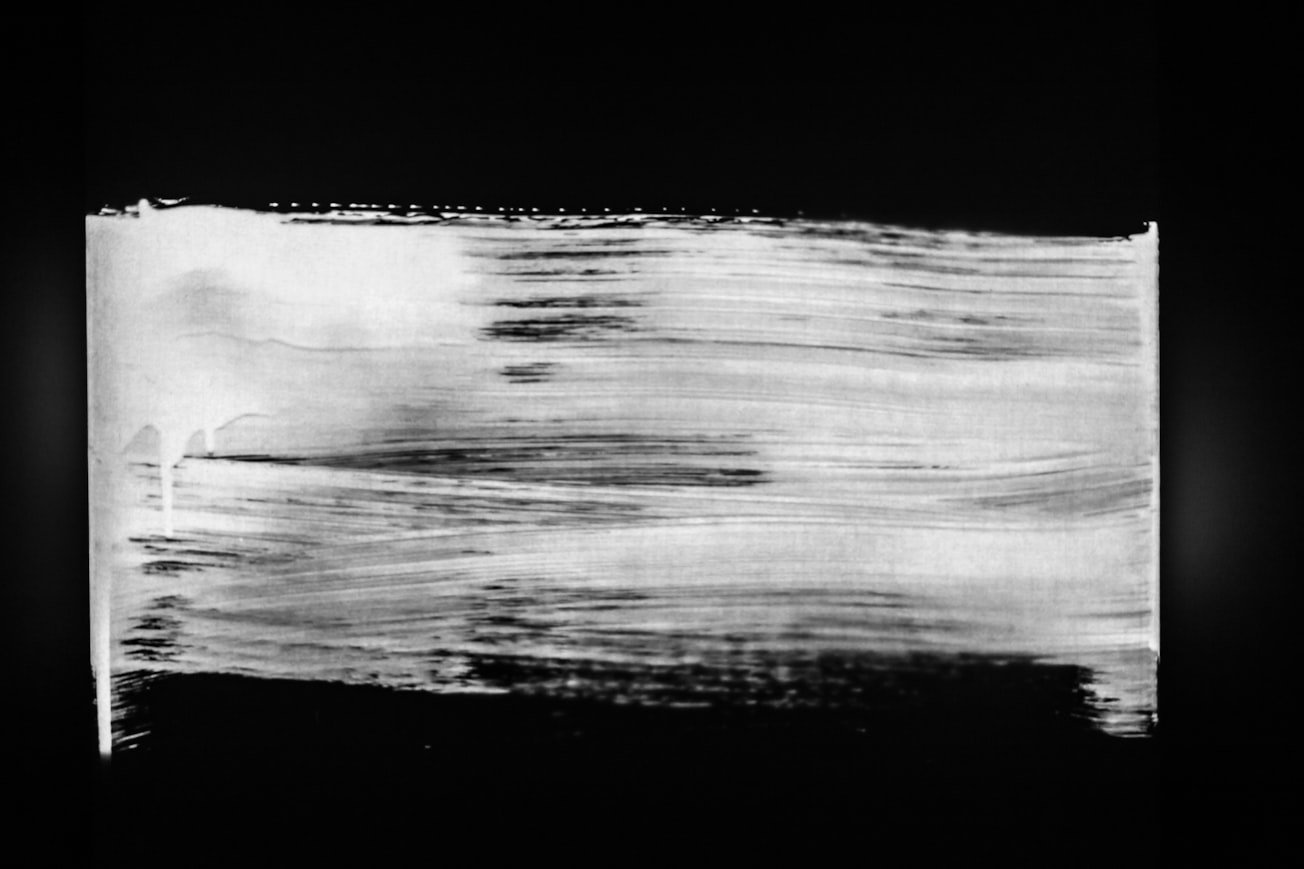
Abstract art isn’t just lines and amorphous shapes. In her new study, PhD Candidate Christina Makri explores how it reveals the way we confront the biggest unknown of all: our fear of death. The findings suggest that people who like abstract art more also report lower death anxiety, perhaps because ambiguity can become a space for discovery rather than something to fear. Embracing uncertainty in art may help us become a little more open to the ambiguous parts of being human.
Read the Full PublicationImage:Luca NicolettiAugust, 2026
Parkinson's Doesn't Change How You Experience Art, Taste Stays Yours.
Led by Blanca T. M. Spee with senior author Matthew Pelowski, our latest study, "Preserved Aesthetic Judgements in Parkinson's Disease," published in the Journal of Clinical Medicine, asked whether Parkinson's changes the way people perceive and evaluate visual art. Comparing 87 people with Parkinson's to 49 age-matched controls across liking, beauty, and color-emotion tasks, the team found no systematic group differences in how artworks were judged; preferences were instead shaped by individual taste and objective image properties like style, symmetry, and complexity. This suggests that aesthetic appreciation stays largely intact, independent of neurodegenerative processes, and rooted in personal and socio-cultural history. The takeaway for museums and cultural institutions is encouraging: rather than adapting artwork content, efforts are better spent removing the practical barriers that keep people from engaging with art in the first place.
Read the Full PublicationJune, 2026
What Art Feels Like? Immersive Experience at Moco Barcelona Concept Store
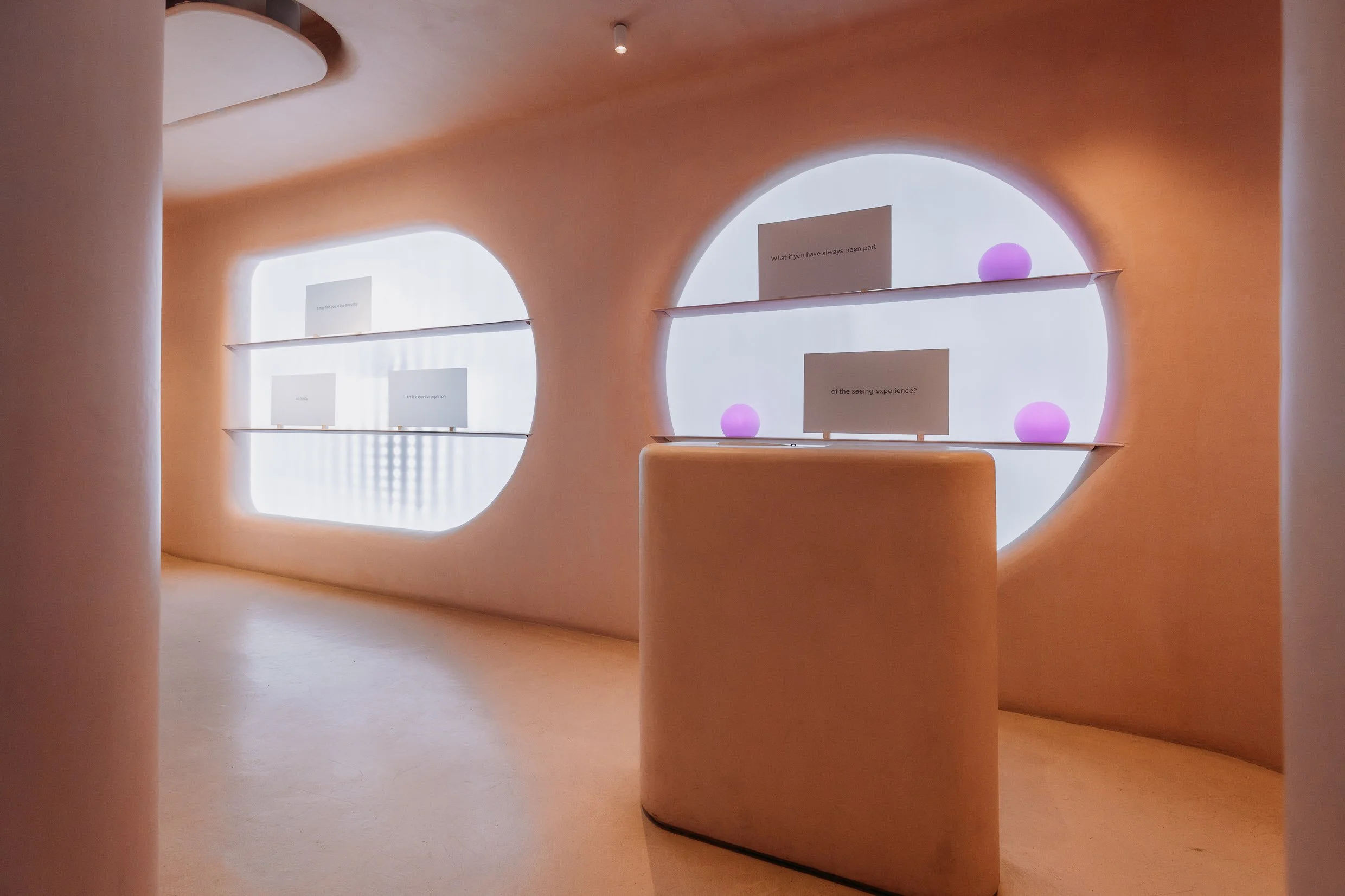
A research project developed by ArtMind Connections, a cultural initiative dedicated to promoting wellbeing through art, in collaboration with Rey Juan Carlos University (Madrid) and ARTIS Lab (University of Vienna). With the growing recognition of art as a contributor to individual and collective wellbeing, What Art Feels Like? is an interdisciplinary research project that explores how immersive artistic experiences influence emotions, reflection, and emotional wellbeing.
At the heart of the project is an immersive art exhibition featuring works by renowned artists including Claude Monet, Caspar David Friedrich, M.K. Čiurlionis, Paul Klee, and Dora Carrington. Through a combination of visual art, music, reflective prompts, and immersive storytelling, visitors are invited to engage with art not only as observers but also as participants in an emotional and reflective journey. The project aims to generate new knowledge at the intersection of art, psychology, wellbeing, and cultural participation, contributing to a growing understanding of how cultural experiences can support emotional health and quality of life.
For More Information About the Event June, 2026
ARTIS Lab Dissects a Brain at IAEA 2026 in Jena Germany
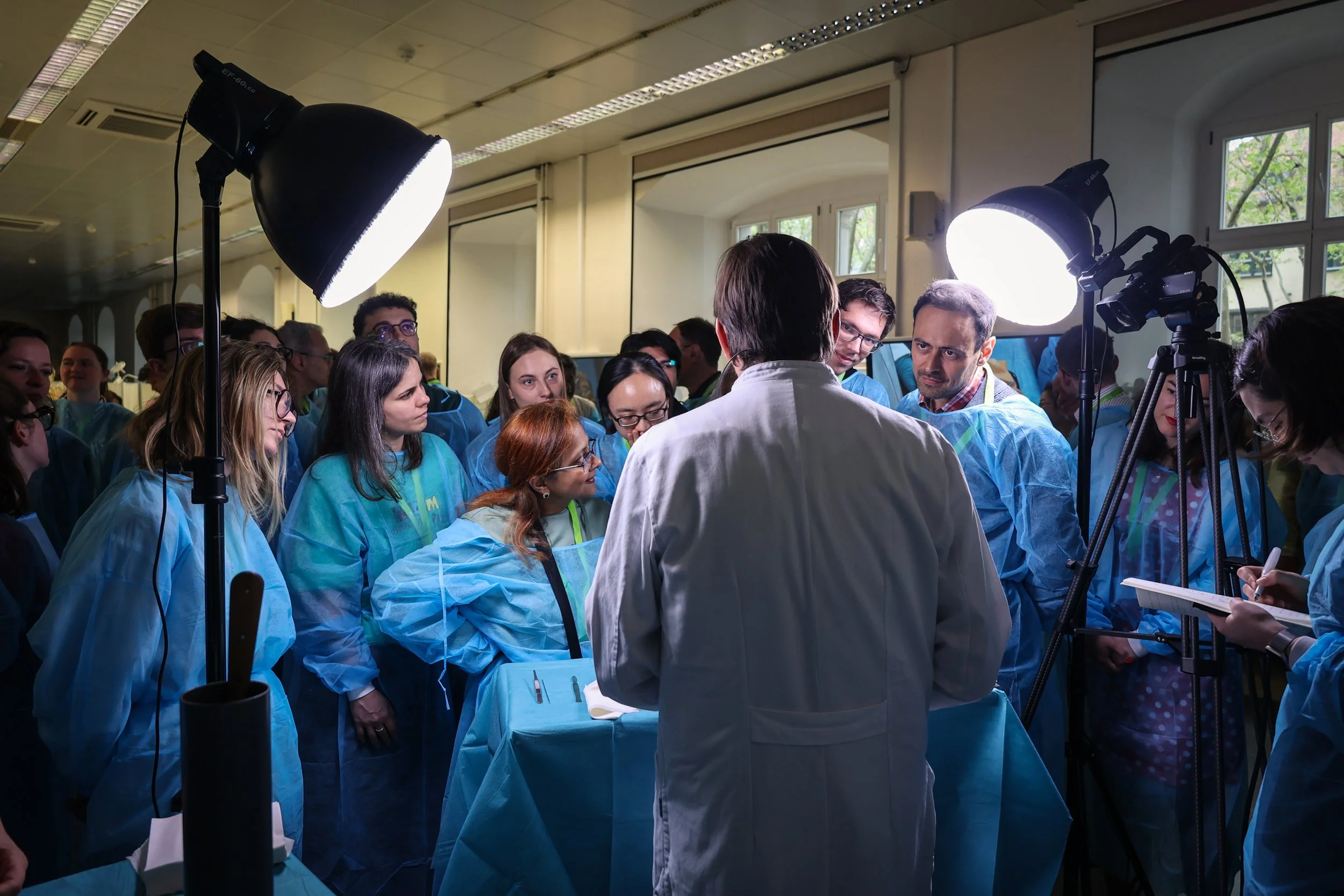
Most conference recaps read more or less the same. Yet, this one does not, because this year we opened the weekend with a live brain dissection. At the Congress of the International Association of Empirical Aesthetics, held in Jena from 5 to 8 May 2026 "Future Follows Past: Creating a Gesamtkunstwerk together for Arts and Aesthetics Research," we began not with slides but with anatomy. Our host, Dr. Gregor Hayn-Leichsenring of the University Hospital Jena, led a live dissection and a close-up walk through the structures of the brain, from the folds of the cortex to what sits beneath, with a particular focus on sections important to the aesthetic experience.
It was a rare insightful chance to look directly at the organ that does all the perceiving, feeling, and judging that we spend our time measuring. The experience was a quiet reminder of how much sits between a stimulus and an experience, and of why we keep asking the questions we do. Twas also very cool to sit in the oldest room for continued practice of science on the campus.
May, 2026
The Art and Science of Connection
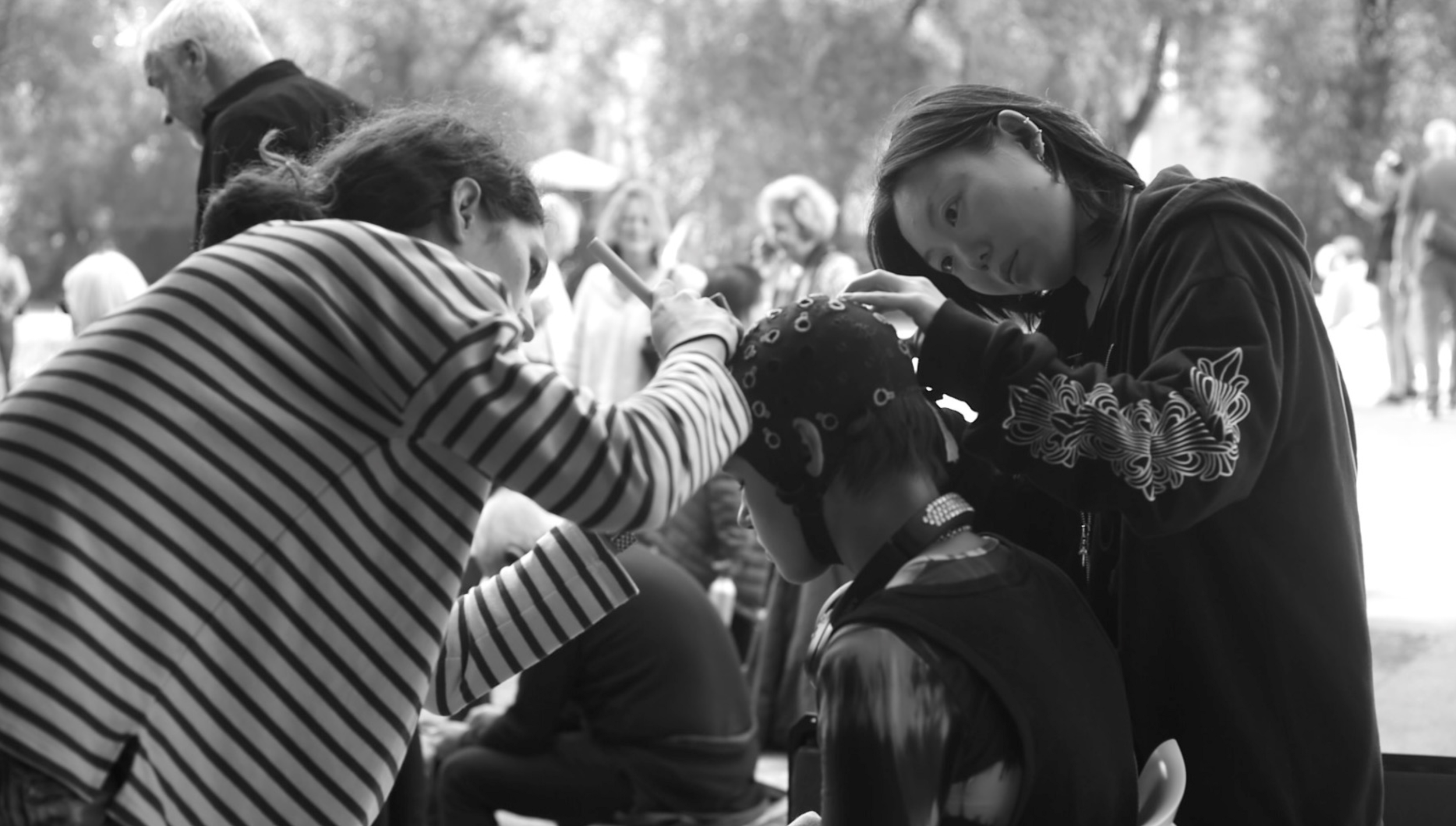
In The Art and Science of Connection (A Museum For Now, May 2026), Paula Angermair Barkai and Alexandra Victoria Alvarez take the 60th Venice Biennale as their field site, asking whether an artwork built around migration can actually shift how people feel toward one another or whether it just makes for a spectacle experience. Working inside Anna Jermolaewa's Austrian Pavilion installation, six functional phone booths pulled from the Traiskirchen refugee centre, they ran pre- and post-viewing questionnaires, the ExTyping emotion measure, and mobile fNIRS to read empathy- and theory-of-mind-related brain activity in real visitors. Viewers correctly read the emotions Jermolaewa intended and shared remarkably similar aesthetic experiences, but their attitudes toward others didn't significantly shift, and their mood actually dropped. The article delves into the complications between a participant, who consents to a protocol, and a visitor, who came for the art experience. It asks not whether art can move us toward each other, but which conditions of viewing make that possible, and whether a place like the Biennale can offer them at all.
Read the full article here May, 2026
ARTIS Lab in Artsy Talking About Unlocking the Benefits of Art Viewing
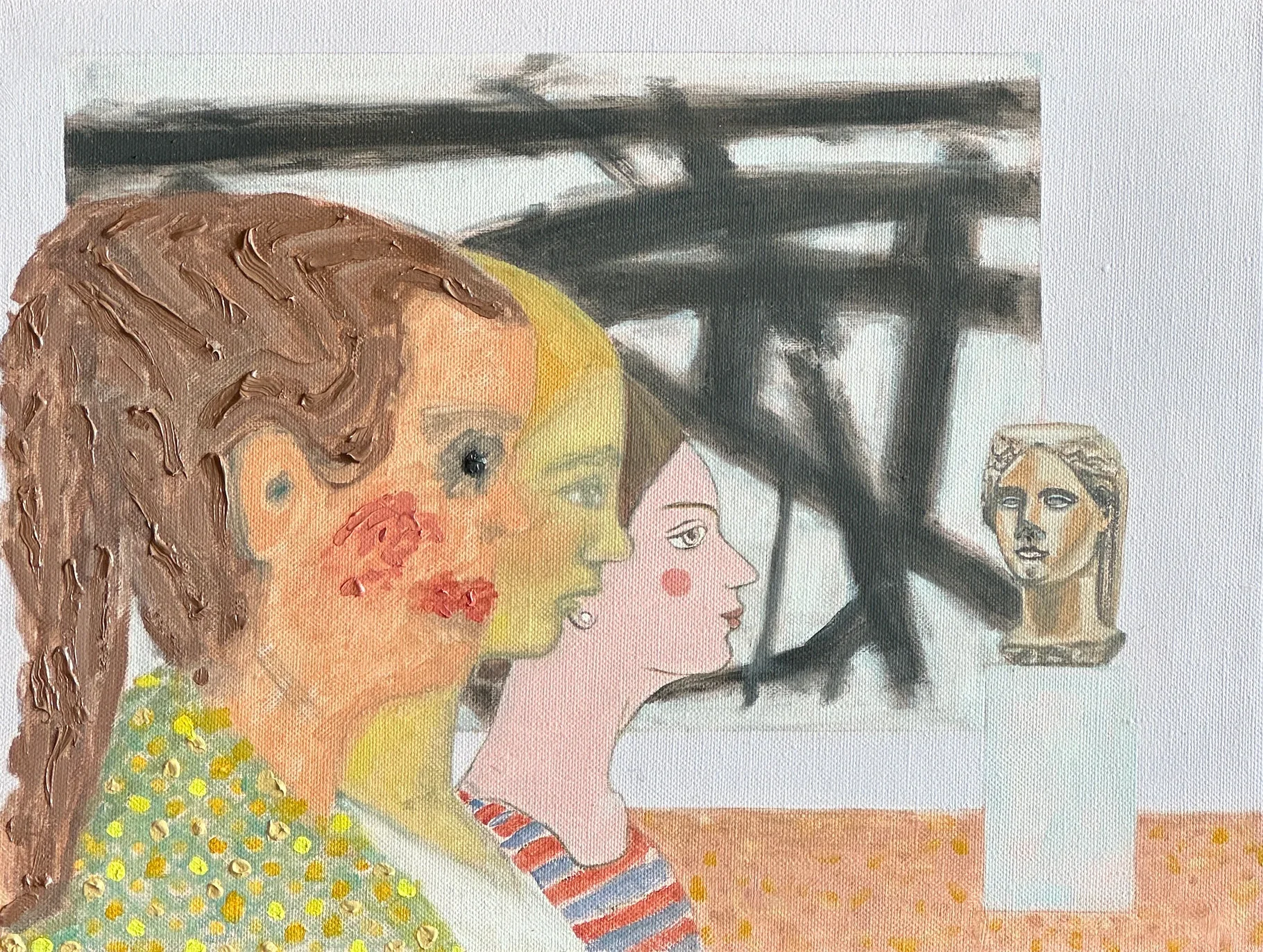
How to Feel the Benefits of Art, According to Psychologists (Artsy, April 2026) puts two of our own front and center. Our lab's founder, Matthew Pelowski, started the ART*IS Lab in 2020 to explore art's potential as a transformative agent shaping our beliefs, behaviors, health, and bodies, and the article shows that mission in action. Our colleague Blanca T.M. Spee carries it into the clinic as head of the Art Inquiry Lab at Radboud University Medical Center, where she is co-designing a receptive arts engagement program alongside people living with Parkinson's disease, artistic coaches, and museum partners including the Rijksmuseum. Between them the piece makes the case we keep making here: that viewing art is closer to an intervention than a pastime, with real effects on mood, neurological symptoms, and well-being. Exciting to see the team's work reaching a wider audience, and cool that Artsy is asking the same questions we are.
Read the Full Article HereImage: Elizabeth Tremante the Gatekeeper April, 2026
Can City Design Heal Us? The Science of Urban Aesthetics
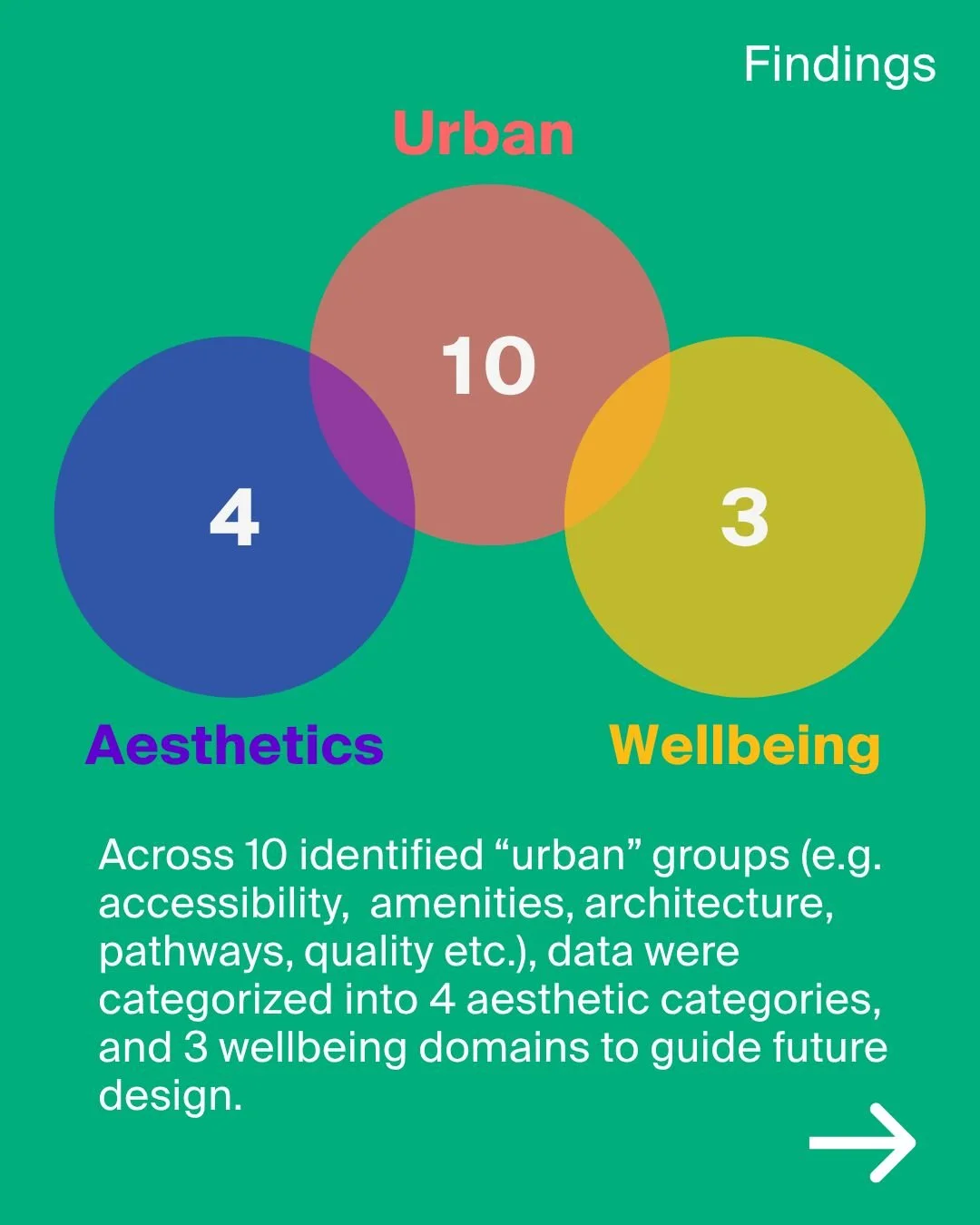
With over half of the world’s population living in cities, urban design is increasingly a matter of public health, not just infrastructure. This review, featured with collaboration partners at the Jameel Arts Health Lab, led by Kirren Chana, Margot Dehove, Matthew Pelowski, and colleagues maps how elements like architecture, noise, pollution, and public art shape aesthetic experience and well-being. Their scoping review unveils that inspire of the importance and interest of urban aesthetics, the research is still fragmented across disciplines. By consolidating this work into a shared framework and dataset, this robust investigation offers a roadmap for designing cities that better support how we feel, move, and live.
This work is a collaboration between the University of Vienna (Faculty of Psychology) and the Vienna Cognitive Science Hub, bringing together interdisciplinary perspectives on how environments shape human experience. It is further supported by partnerships with the WHO Regional Office for Europe, Community Jameel, NYU Steinhardt School of Culture, Education, and Human Development, and CULTURUNNERS. The project contributes to broader global conversations on urban well-being, including initiatives aligned with the World Cities Culture Forum.
Read the study hereMar, 2026
Museum instead of medicine: Can Art heal us?
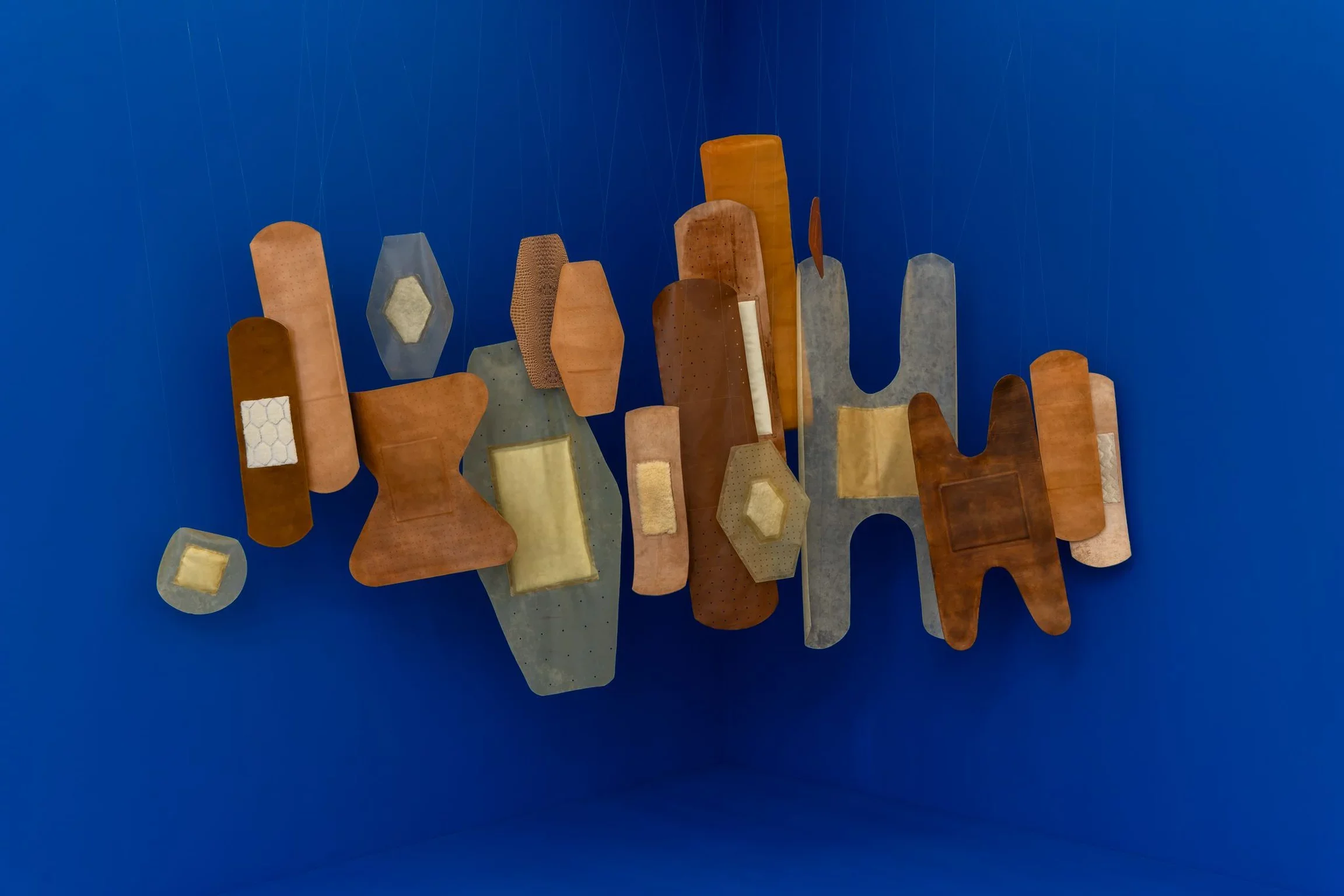
This article features MacKenzie Trupp and her work at the ARTIS Lab, where she investigates how engaging with art can support emotional and psychological well-being. Her research contributes to emerging “museum prescription” initiatives by using empirical methods of self-reports and physiological measures to examine how museum visits influence stress, mood, and social connection. In the der Standard article, Trupp emphasizes the potential of museums as spaces for reflection and healing, bridging art, science, and public health. Her work reflects a broader effort to ground the therapeutic value of art in rigorous, evidence-based research.
Image: Chloe Wise Installation View Almine Reich GalleryJan, 2026
Art Matters for Everyday Wellbeing
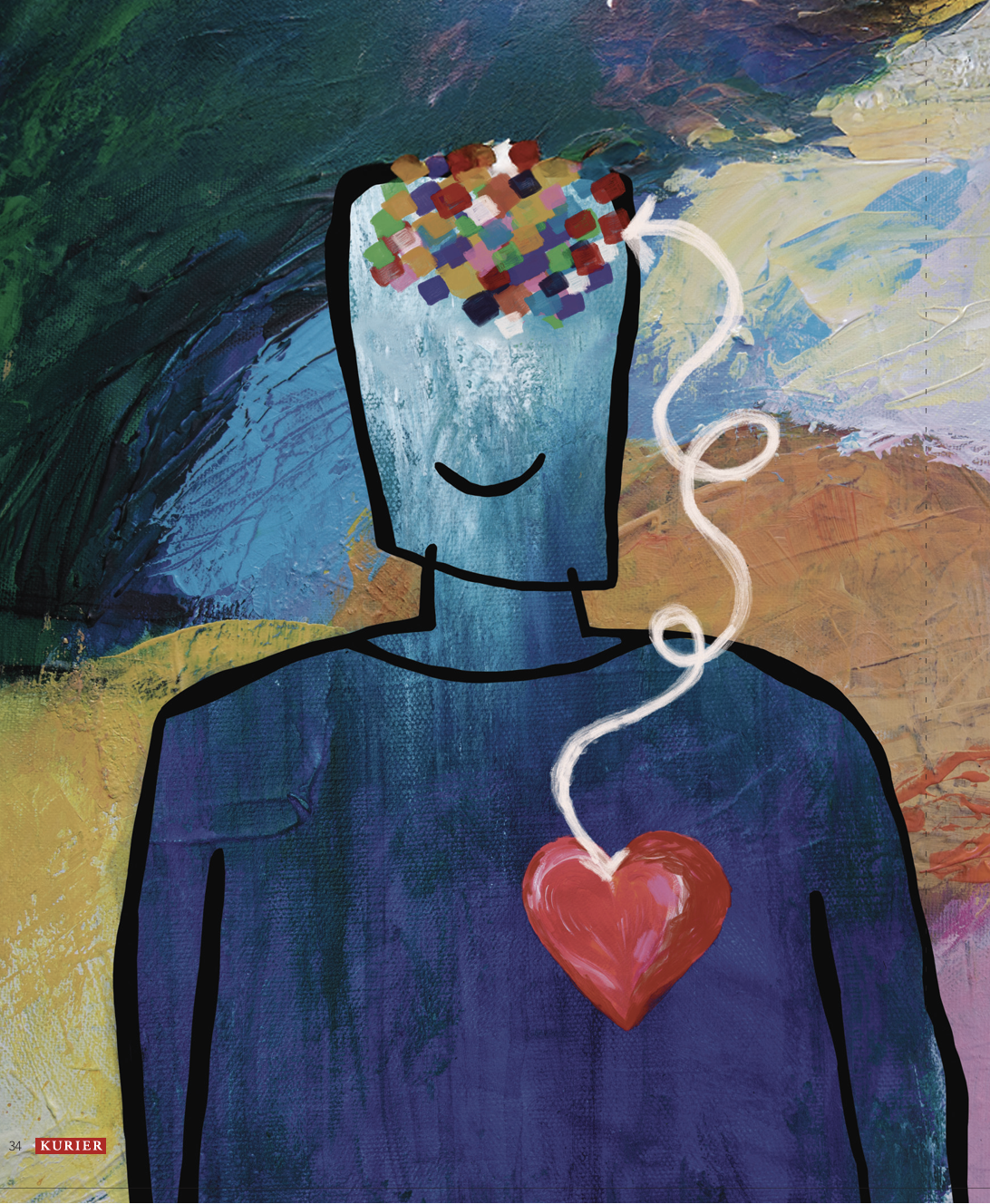
This article features PI Pelowski and his work that shows how even brief encounters with art can measurably shift mood, reduce stress, and support emotional regulation. Drawing on the large scale evidence collected by ARTIS over the years, he dives into the personal connections of an art experience as well as context-dependent engagement factors. Pelowski explores how art is not passive, rather, it actively moves us, helping us process, reflect, and find meaning in ways that matter for everyday well-being.
View the article hereFeb, 2026
Srestha Chakraborty awarded ÖAW DOC Fellowship by Austrian Academy of Sciences
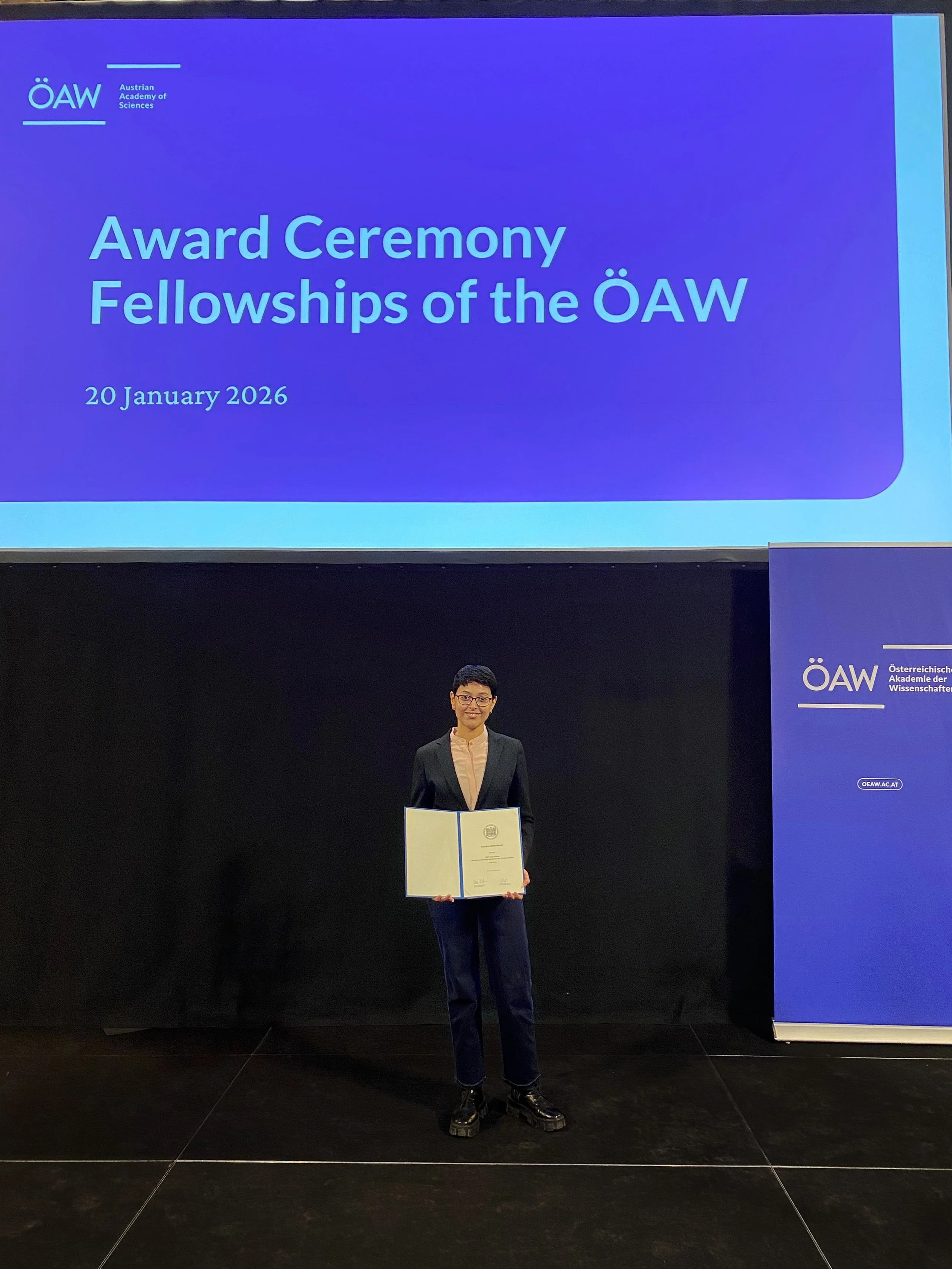
We are pleased to announce that Srestha Chakraborty has been awarded the ÖAW DOC Fellowship from the Austrian Academy of Sciences. The ÖAW DOC program is among Austria’s most competitive doctoral funding schemes, with an acceptance rate of 15-20%. We congratulate Srestha on this significant and well-deserved achievement and commend their sustained dedication and scholarly excellence.
At the ARTIS Lab, Srestha’s research examines the prosocial impacts of visual art engagement using longitudinal experience sampling and cross-sectional behavioural methodologies in ecologically valid domestic and museum contexts. Grounded in a decolonial framework, their work investigates how deep engagement with art shapes individual experience and explores its potential to foster connections across culturally and sociopolitically diverse communities.
Read more about the project here.Jan, 2026
Stephanie Miller successfully defends her Doctoral thesis
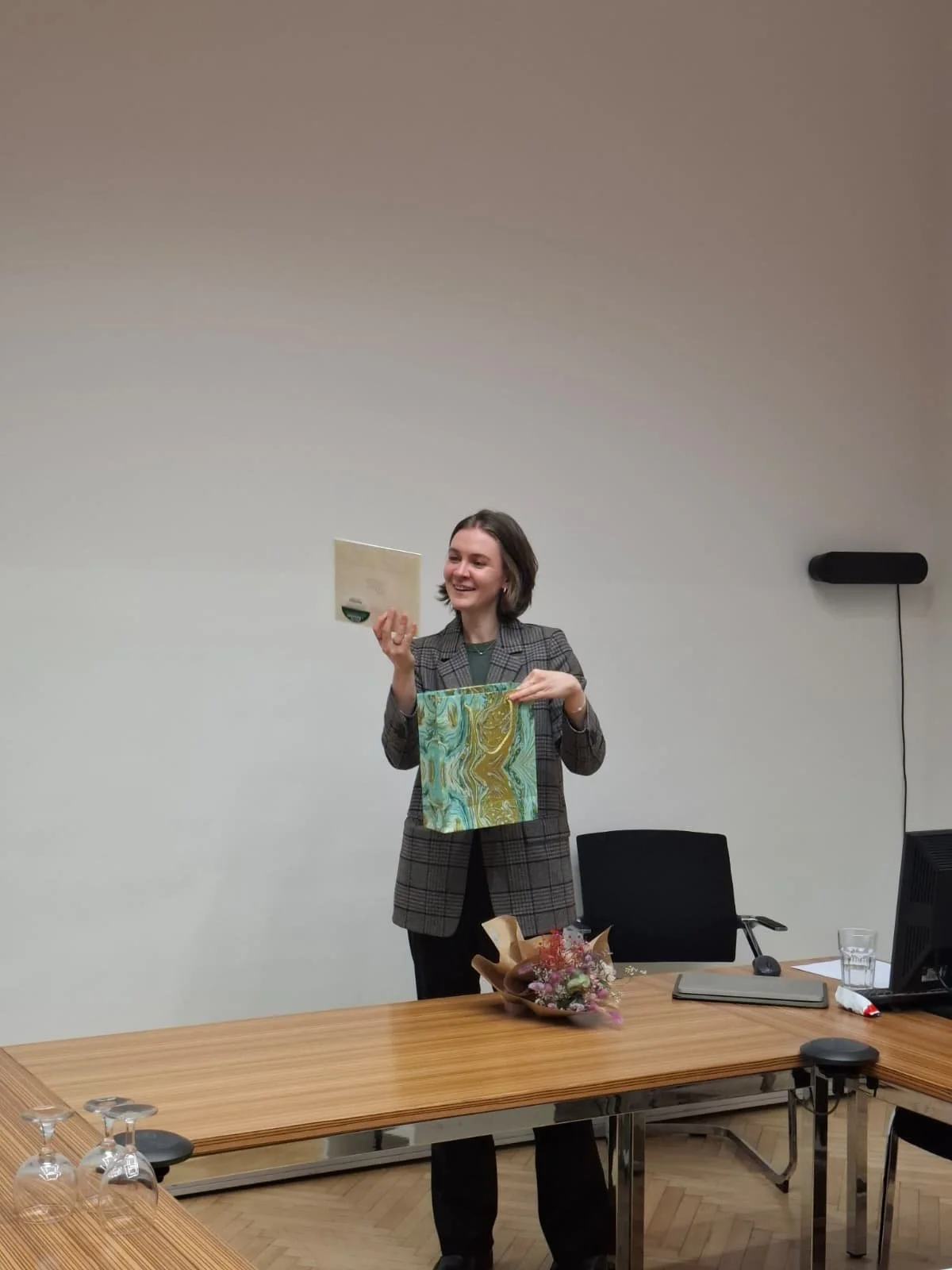
Miller’s dissertation “Art Experience Types: Identifying and Applying Shared Patterns in Phenomenal Experience of Visual Art” investigated the broad nature and scope of experiences that people have with visual artworks, by considering what such experiences feel like, and asking if there are shared patterns to the ways in which we experience art. The now official PhD, presented a series of studies, in which in-depth self-reports of emotional-phenomenal art experiences were collected from museum visitors; data were then analyzed via network modeling and latent profile analysis to identify shared response profiles that represent distinct types of experience.
Dec, 2025
The Well-Being of Looking: MacKenzie Trupp on Art Viewing After Defending Her PhD
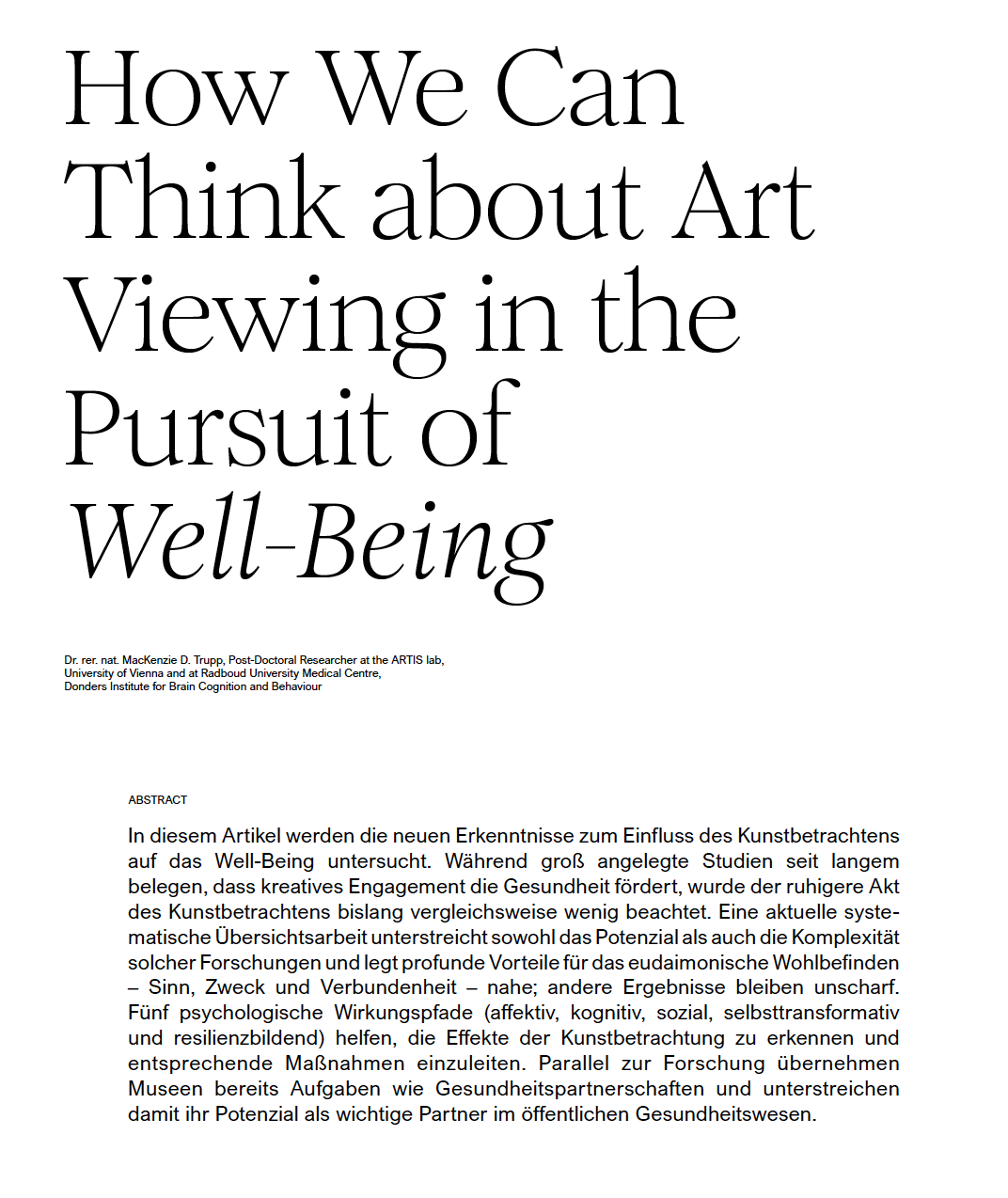
Fresh from defending her PhD “Examining the Impact of Art Viewing and Appreciation on Well-being”and newly featured in ICOM Magazine’s How We Can Think about Art Viewing in the Pursuit of Well-Being, MacKenzie Trupp invites us to reconsider a deceptively simple question: what actually happens to us when we look at art?
View the article hereDec, 2025
ARTIS Lab featured in ORF Documentary “Art as Medicine”
Click ▶︎ button above to watch entire documentary
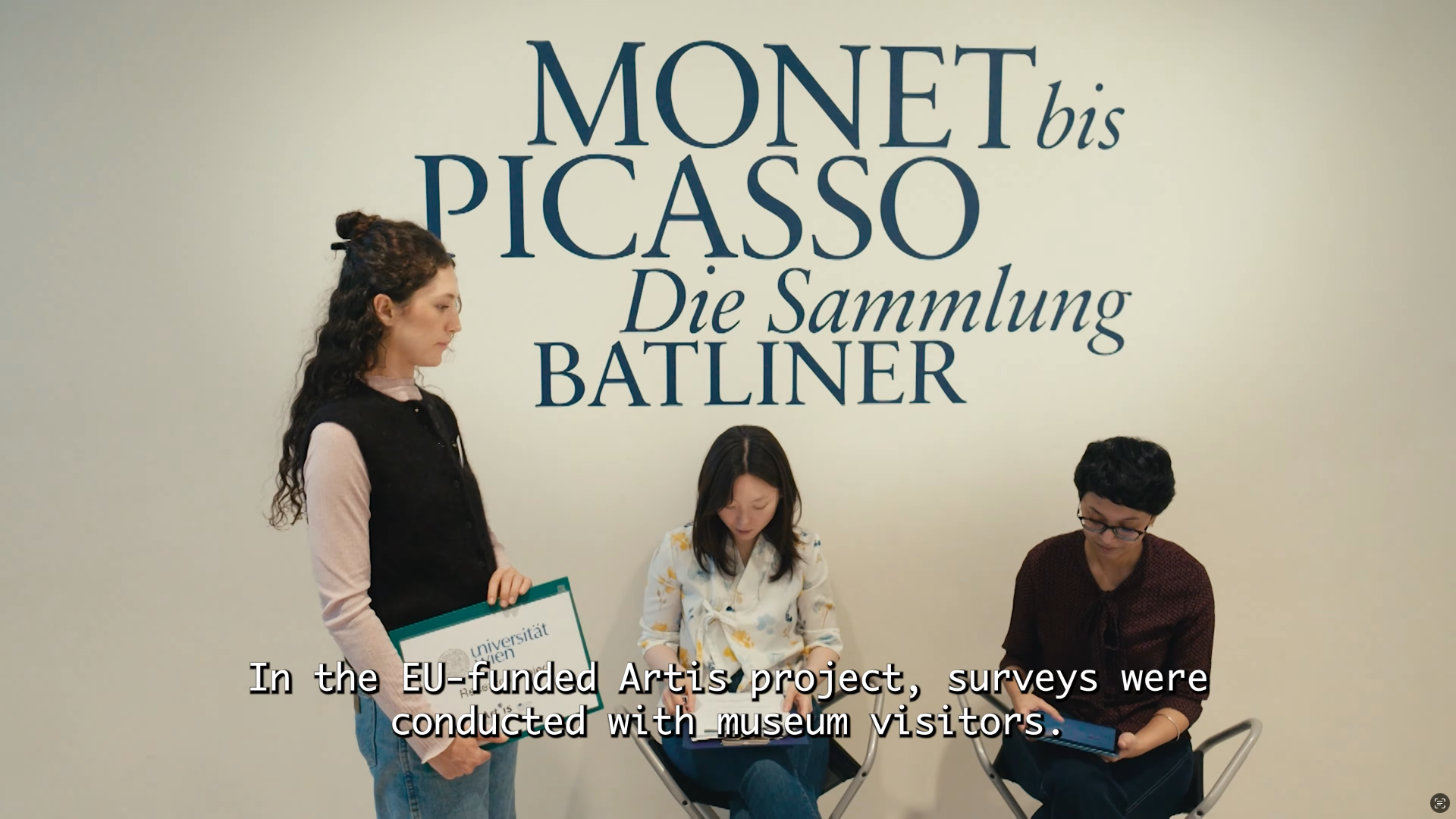
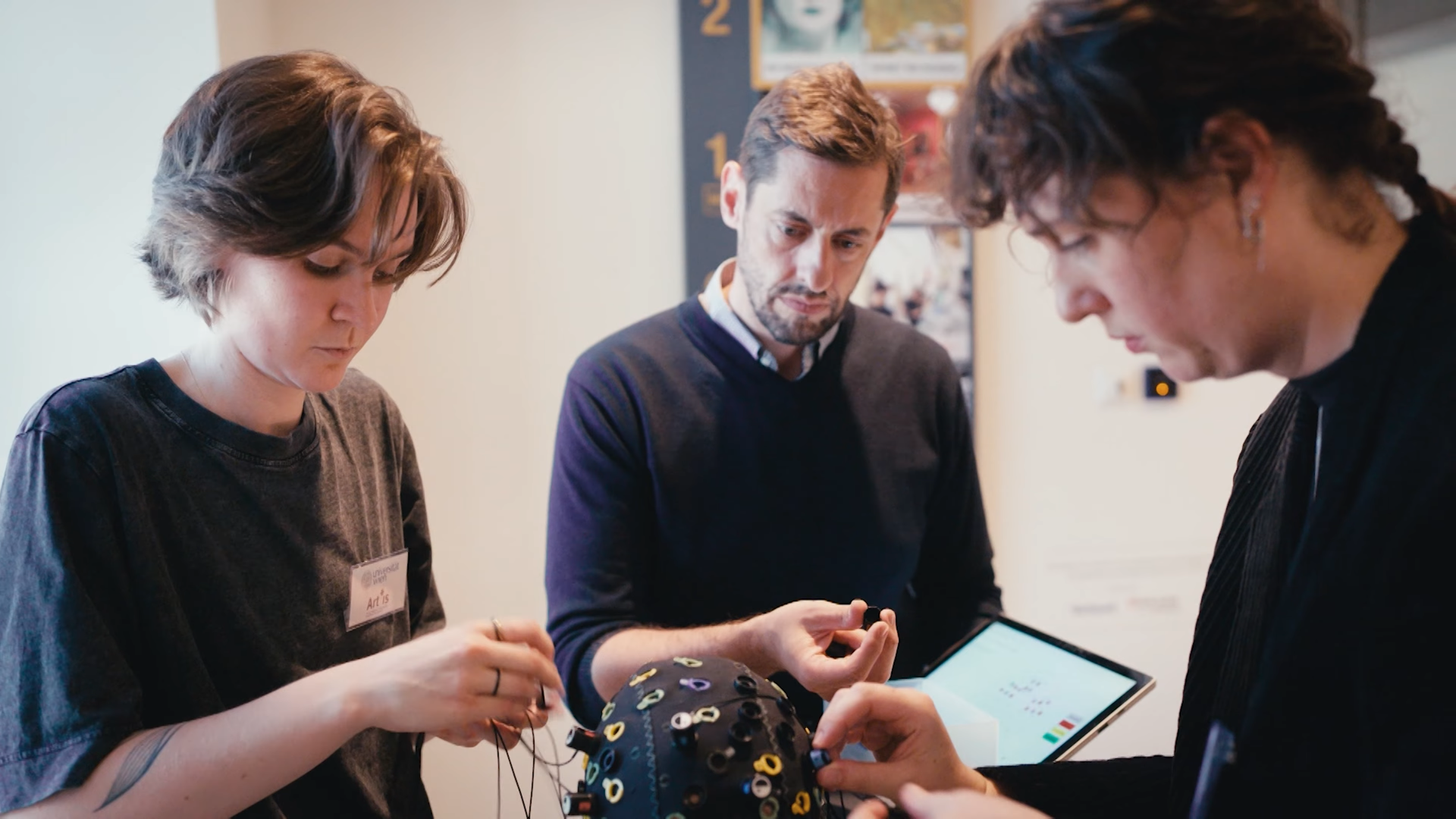
We had a fun time filming our feature in the Austrian public broadcasting channel ORF documentary Art as Medicine, which explores how art can promote health and well-being.
The film follows internationally renowned opera singers Bea Robein and Jennifer Davison, who have spent the past five years leading workshops centered on breathing, singing, and empowerment. “Many people don’t realize how beneficial art can be for them,” says Robein — and she shows this beautifully through practical exercises.
Our collaborative study with the Albertina Museum, fNIRS at the Museum: Investigating the Neural Correlates of Art Experience, featured alongside an interview with our PI Pelowski. Using mobile brain imaging in a museum setting, this study examined the neural and emotional dimensions of art engagement, combining fNIRS data with self-reported ratings of 16 emotions and phenomenal states to capture a comprehensive, nuanced, and ecologically valid picture of the art experience.
Sep, 2025
Field Trip to Yale: ARTIS Attends APA Div 10 Conference

The conference circuit is part of the PhD’s traveling roadshow—equal parts spectacle, performance, networking, and free snacks. From March 13-15, 2025, ARTIS made the academic pilgrimage from Vienna to New Haven for APA Div. 10’s Society for the Psychology of Aesthetics, Creativity, and the Arts annual conference.
Our team presented research across all tiers of the conference—Pelowski chaired an individual talks session; Angermair, Kim, and Demmer showcased their work in the poster session, each offering a unique perspective on the broader topic of emotion sharing; and Alvarez and Miller delivered a talk on their Div. 10-funded study. Between sessions, we fueled up on pizza, admired Yale’s rare books collections, explored emerging topics such as malevolent creativity in talks by Haniska Kapoor and Roni Reiter-Palmon, and found ourselves especially inspired by the passion and enthusiasm of early career researchers in the Student Showcase.
The conference was both insightful and a strong representation of our diverse and international field. Enthusiasm for our work continues to grow, reflecting a broader societal interest in arts engagement and its effects on well-being and the individual in society. However, beneath the excitement and academic exchange, the topic of funding loomed large. Conversations frequently turned to the challenges of securing grants, sustaining projects, and navigating the competitive landscape of academic research.
Mar, 2025
Creativity and Parkinson's Disease: Blanca Spee delivers Keynote at the 2025 CoBeNe PhD Academy

Blanca Spee delivered a Keynote at the 2025 CoBeNe PhD Academy about her research into Parkinson's Disease: the worlds fastest growing neurodegenerative disorder. Blanca's research is funded by an FWF #ConnectingMinds grant Unlocking the Muse:Artistic Creativity & Parkinson´s Disease . According to Spee, this project aims to systematically investigate this phenomenon. “We focus on both epidemiology and neuroscience, using these insights to develop healthcare interventions. To achieve this, we collaborate with individuals with Parkinson’s, artists, creative arts therapists, and researchers from diverse fields.”
Read her full interview with the UniVie’s CogSci Hub here.
Feb, 2025
The Art of Connection: Investigating the Social and Neural Dynamics of Art Engagement at the Venice Biennale

What happens when art sparks a deeper connection? How do empathic concern, imagination, and emotion sharing shape the way we experience and engage with art? We explored these questions through Anna Jermolaewa’s evocative phone-booth installation at the Austrian Pavilion during the Venice Biennale. Using surveys and mobile neuroimaging, this interdisciplinary research aims to build bridges at the intersection of curatorial practices and neuroscience in the real world.
Oct, 2024
Being Mortal: Investigating the effects of a mortality salient exhibition on prosociality and general wellbeing using a daily diary

At ARTIS lab we are interested in investigating how art exhibitions change how we see and interact with the world. We just completed data collection on a project in collaboration with the Dom Museum Wien. The study, led by Christina Makri, included looking at experiences within a mortality salient art exhibition - that is, an exhibition designed to raise our thoughts, conceptions and awareness regarding death. Being Mortal provides insight on how this type of art experience influences our behaviour and attitudes towards (i) our selves, (ii) other people and/or (iii) nature. Thank you very much to our project partners.